
Key Takeaways
- DUTCH hormone testing uses dried urine samples collected on filter paper rather than a blood draw, with results normalised to urine creatinine and analysed by mass spectrometry
- DUTCH testing is not covered by provincial health plans in Canada, so coverage depends entirely on an individual’s private benefits or flexible spending account
- Peer-reviewed comparisons have found strong agreement between dried urine and liquid urine or serum measurements for several reproductive hormone metabolites
- Hormone results need to be read alongside symptoms and life stage, since fatigue and other common complaints can stem from several different causes
- Calgary adults weighing this test should check what their own benefits plan will reimburse before ordering, since eligibility varies by plan administrator
Hormone testing has become a popular starting point for Calgary adults trying to understand fatigue, mood changes, or shifts tied to a particular life stage. Among the options available through naturopathic doctors, the DUTCH test (Dried Urine Test for Complete Hormones) stands out because of its at-home collection method and broad hormone panel. Before booking one, it helps to know what the test actually measures, how the collection process works, what the research says about its accuracy, and what it might cost once insurance is factored in.
What DUTCH Testing Actually Measures
DUTCH testing looks at hormone metabolites, which are the breakdown products the body creates after using hormones like estrogen, progesterone, testosterone, and cortisol. Rather than capturing a single snapshot the way a blood draw does, the dried urine method collects several samples across a day, offering a window into how hormone levels rise and fall over that period. This pattern-based view is particularly useful for cortisol, since the body’s stress hormone naturally peaks in the morning and tapers off by evening.
Calgary-based Healthflow Naturopathic explains that the panel selected determines which hormones and metabolites are measured, with options covering sex hormones, cortisol and cortisone patterns, and other markers. Understanding these differences can help patients consider which panel best fits their health questions and what the results may contribute to a broader clinical assessment. For more insights, the clinic’s guide to DUTCH testing in Calgary, including panel options and costs, offers further details to help patients understand their options before testing.
Why Hormone Balance Matters
Hormones act as the body’s chemical messengers, directing processes that keep daily life running smoothly. The pancreas relies on insulin to manage blood sugar, and the thyroid uses hormone signals to set the body’s metabolic rate. A small imbalance in this messaging system can affect energy levels, sleep, mood, and long-term health risk in ways that are not always obvious at first.
Fatigue, Life Stages, and Other Symptom Triggers
Persistent fatigue is one of the more common reasons Calgary adults start looking into hormone testing. Alberta Health Services notes that hormone changes may be associated with fatigue, while stressing that symptoms can have multiple possible causes and require proper clinical assessment rather than a single test result. Normal life-stage transitions, such as perimenopause or andropause, can shift hormone levels on their own, meaning a result needs context rather than a standalone verdict.
Working with a practitioner matters as much as the test itself. A number on a lab report means little without someone trained to connect it to symptoms, timing, and personal history.
Why Testing Method Changes What You Learn
Not every hormone test answers the same question. Alberta Health Services points out that testing methods do not all measure the same information, and the choice of assessment affects what a result can actually tell a patient and clinician. A blood test captures hormone levels at one moment, while dried urine testing traces a pattern across the day. Choosing the right method starts with being clear about what question needs answering.
How Dried Urine Collection Works
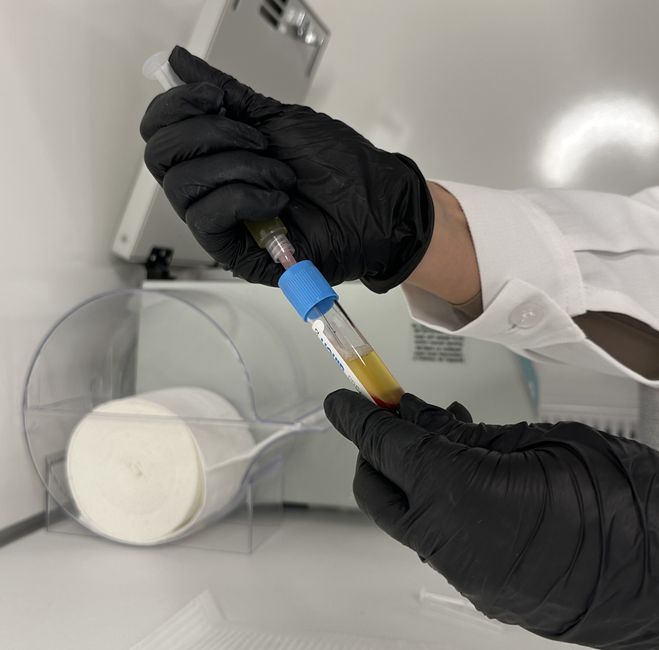
Dried urine collection is designed to be done outside a clinic, which is part of why it has grown popular among people juggling busy schedules. Samples are collected on specially treated filter paper strips at set points throughout the day rather than during a single visit. This spread-out collection is what allows the test to build a cortisol curve instead of a single cortisol number.
From Filter Paper to Lab Results
Once collected, the strips are left to air dry before being packaged and sent to a laboratory. There, the dried samples are extracted and analysed using mass spectrometry, a highly sensitive method for identifying and measuring specific hormone compounds. Results are normalised to urine creatinine, a standard adjustment that accounts for differences in how concentrated or diluted a person’s urine happens to be at the time of collection. The process requires patience and attention to timing, since collecting at the wrong intervals can distort the daily pattern the test is trying to capture.
Is Dried Urine as Accurate as Blood?
Accuracy questions come up often, and reasonably so, given how different dried urine collection looks compared to a traditional blood draw. This comparison has been studied directly rather than left to assumption.
What the Comparison Studies Found
A study published in BMC Chemistry compared dried urine spot samples against liquid urine and serum measurements of reproductive hormone metabolites, evaluating how closely the methods agreed. The dried urine method in that study used filter paper samples extracted and analysed by mass spectrometry, with hormone concentrations normalised to creatinine, mirroring the process used in DUTCH testing today. The researchers reported excellent agreement between dried and liquid urine results for reproductive hormones, with intraclass correlation coefficients greater than 0.90, a strong statistical indicator that the two methods were measuring the same thing consistently. That study also examined whether four urine samples collected at different times of day could reasonably substitute for a full 24-hour urine collection for the reproductive hormone measures studied, adding further support for the spot-collection approach.
Separate research by Andreasen and colleagues, published in Clinical Mass Spectrometry, examined steroid hormones in dried urine spots using liquid chromatography-tandem mass spectrometry as the analytical method. That research, along with the broader body of work it built on, found strong agreement between dried urine and liquid urine when steroid profiles were measured using this technique.
Where Mass Spectrometry Has Limits
Mass spectrometry is a precise tool, but it carries technical boundaries. The Society for Endocrinology notes that mass spectrometry alone may not distinguish between steroid compounds that share the same molecular mass, which is why chromatography, a separation step performed before the mass spectrometry analysis, is considered an essential part of building specific and reliable testing methods. The society also points out that the right sample preparation approach depends on several practical factors, including the sample type, the target hormone’s concentration, turnaround time, and consumable cost. These are technical considerations best left to the laboratory processing the sample, but they explain why reputable testing providers invest heavily in method validation rather than treating one approach as universally superior.
DUTCH Test Costs and Insurance Coverage in Alberta
The DUTCH test in Calgary costs approximately $569 to $925 CAD, depending on the panel selected, with naturopathic consultation fees charged separately. The DUTCH Complete panel, priced at around $699 CAD, is the most commonly ordered option. It measures more than 35 markers, including sex hormones, cortisol patterns, estrogen metabolites, and selected organic acid markers associated with oxidative stress and gut health.
Comparing DUTCH Panel Prices
Based on the pricing information provided, the approximate costs for each panel are:
- DUTCH Adrenal: $569 CAD, focused on cortisol patterns
- DUTCH Complete: $699 CAD, covering a broader range of hormones and metabolites
- DUTCH Cycle Mapping: $775 CAD, examining hormone patterns across the menstrual cycle
- DUTCH Plus: $925 CAD, offering an expanded assessment that includes the Cortisol Awakening Response
Prices may vary by practitioner or clinic. Patients should request a quote that clarifies the test fee and any separate consultation or interpretation charges before booking.
Checking Your Benefits Plan Before Ordering
DUTCH testing is not covered by the Alberta Health Care Insurance Plan, so patients should plan for the test as an out-of-pocket expense unless another reimbursement option applies. Some extended health plans may cover part of the cost of naturopathic consultations, but coverage for the test itself depends on the individual policy.
Before ordering, contact the benefits provider to ask specifically about naturopathic services and specialty hormone testing. Confirm whether a referral, pre-approval, or itemized invoice is required, and ask whether laboratory costs and practitioner fees are reimbursed separately. Checking these details in advance can help clarify the likely out-of-pocket expense.
Testing Alone Doesn’t Explain Your Symptoms
A DUTCH test result, however detailed, is only one part of a broader clinical picture. Hormone levels can fluctuate during normal life stages, and symptoms such as fatigue, sleep disruption, and mood changes may have multiple causes. Results should therefore be interpreted alongside a person’s symptoms, medical history, stress levels, sleep quality, menstrual history, and medication use rather than viewed in isolation.
For Calgary residents considering hormone testing, consulting a naturopathic doctor can help clarify whether DUTCH testing is appropriate for their symptoms and health concerns. Practitioners can place the findings in the context of a patient’s overall health, explain what the results may indicate, and determine whether further assessment may be needed. This approach helps ensure that test results inform the clinical picture rather than being treated as a complete explanation for persistent symptoms.
Healthflow Naturopathic
+1 403 313 4354
2204 2 Street SW
120M
Calgary
Alberta
T2S 3C2
Canada


