WUXI, JIANGSU, CHINA, October 27, 2026 /EINPresswire.com/ — Efficient Thermal Management Remains Essential for Air Compressor Performance
Air compressor systems generate heat during continuous operation, making effective temperature control an important consideration in industrial equipment design. When operating temperatures are not properly managed, excessive heat can affect lubrication conditions, component durability, and overall system stability. For manufacturers and operators seeking dependable thermal management solutions, the design and performance of heat exchangers remain important factors in equipment selection.
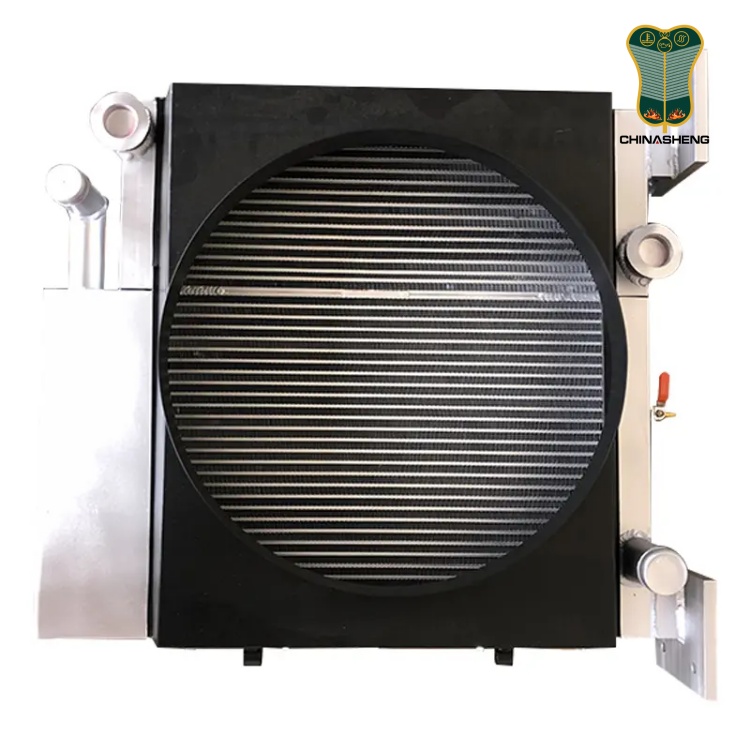
CHINA SHENG, a manufacturer specializing in aluminum leakproof heat exchangers, provides aluminum plate-fin heat exchanger solutions for air compressor applications. The company’s product range includes heat exchangers designed for various compressor models and industrial operating requirements. Its approach combines aluminum construction, heat transfer engineering, leak prevention, and manufacturing quality control to address the practical demands of compressor cooling systems.
According to the company’s official website, CHINA SHENG has more than 15 years of industry experience in heat exchanger research, design, and manufacturing. Its technical capabilities and production infrastructure support the development of thermal management components for air compressors and other industrial applications. These capabilities provide a foundation for examining how plate-fin heat exchanger design can contribute to cooling efficiency and equipment reliability.
Aluminum Plate-Fin Design Supports Effective Heat Transfer
One of the principal advantages of aluminum plate-fin heat exchangers is their ability to provide substantial heat transfer surface area within a relatively compact structure. The arrangement of plates and fins creates multiple surfaces for thermal exchange, allowing heat to transfer between working fluids while maintaining a space-efficient design.
In air compressor systems, heat exchangers can help remove unwanted heat from compressed air, lubricating oil, or other process streams, depending on the equipment configuration. Effective heat removal helps maintain operating temperatures within the limits established by the compressor manufacturer.
Aluminum also offers a favorable combination of thermal conductivity and relatively low weight. Compared with heavier construction alternatives, an aluminum heat exchanger can help reduce component mass while supporting heat transfer requirements. This characteristic is particularly relevant when equipment designers must balance cooling capacity, installation space, and structural constraints.
CHINA SHENG’s air compressor product portfolio includes aluminum plate-fin heat exchangers and related cooling components listed for compressor applications associated with brands such as Atlas Copco, Kaeser, Fusheng, and Sullair. These product listings illustrate the company’s focus on supplying heat exchange solutions for different equipment configurations. Actual suitability depends on the specific compressor model, dimensions, operating conditions, and interface requirements.
Leak Prevention Contributes to Operational Reliability
Heat transfer performance is only one consideration when evaluating an industrial heat exchanger. Leakage prevention is equally important because a compromised heat exchanger can lead to fluid loss, contamination risks, maintenance requirements, or unplanned equipment downtime.
CHINA SHENG identifies leak prevention as a central element of its manufacturing approach. The company reports that it uses a proprietary 9S leakproof system to address overheating and leakage challenges in industrial equipment. Its manufacturing facilities include advanced vacuum brazing furnaces and cleaning equipment, alongside production, inspection, and performance-testing capabilities.
Vacuum brazing is an established manufacturing process for joining aluminum heat exchanger components. When process parameters and material preparation are properly controlled, it can support the formation of joints designed to withstand specified operating pressures and thermal conditions. The effectiveness of the finished product still depends on factors such as joint quality, material selection, manufacturing consistency, and verification testing.
For air compressor applications, these considerations are particularly relevant because cooling components may experience pressure variations, temperature changes, and prolonged operating cycles. A heat exchanger designed and tested for the intended service conditions can help reduce the risk of leakage-related interruptions and support more predictable maintenance planning.
Vibration Resistance and Structural Stability Matter in Compressor Systems
Industrial air compressors can expose cooling components to mechanical vibration, pressure fluctuations, and repeated operating cycles. These conditions make structural integrity an important part of heat exchanger selection, especially in installations where equipment operates for extended periods.
CHINA SHENG highlights the vibration resistance of its air compressor heat exchangers as one of their application-related characteristics. Aluminum alloy construction, component geometry, joining quality, and mounting arrangements can all influence how a heat exchanger responds to vibration during operation.
A suitable design must account for more than the heat exchanger itself. Connections, supports, installation clearances, and the vibration characteristics of the compressor assembly also affect long-term performance. Selecting a component that matches the equipment’s mechanical and thermal requirements can help minimize unnecessary stress and improve service reliability.
For replacement projects, buyers should therefore verify the original component dimensions, connection positions, pressure ratings, and installation requirements. Compatibility should be established against the exact equipment model rather than inferred solely from a general product category or brand name.
Quality Testing Helps Verify Performance and Durability
Consistent manufacturing quality is essential for heat exchangers operating under demanding industrial conditions. Design specifications provide a starting point, but testing is necessary to assess whether finished products meet the relevant performance and reliability requirements.
CHINA SHENG reports conducting several types of testing, including leakage testing, pressure testing, thermal fatigue testing, alternating-pressure testing, performance testing, vibration testing, and salt-spray testing. These procedures address different aspects of product behavior and can help identify weaknesses that might otherwise become apparent only after installation.
Leakage and pressure tests evaluate sealing integrity under specified conditions, while thermal fatigue and alternating-pressure tests can help assess the effects of repeated operating cycles. Performance testing examines heat exchange behavior, and vibration and salt-spray testing address mechanical and environmental considerations.
The precise test conditions and acceptance criteria depend on the product design and intended application. For equipment purchasers, reviewing relevant test documentation and confirming compliance with project-specific requirements remain important steps in supplier evaluation.
The company also reports having applied for more than 30 patents and maintaining an experienced research and development team. Its engineering resources support design analysis and customized heat transfer solutions based on customer specifications and thermal requirements.
Customization Supports Different Compressor Requirements
Air compressor systems vary in cooling capacity, operating pressure, temperature range, installation space, and connection configuration. As a result, a heat exchanger suitable for one compressor model may not be an appropriate replacement for another, even when both belong to the same general equipment category.
CHINA SHENG provides OEM and ODM services and describes its approach as involving cooperation between sales and engineering teams. Its support capabilities include design simulation analysis, customized interfaces, technical troubleshooting, installation guidance, and maintenance recommendations.
This approach can be useful for original equipment manufacturers developing new compressor systems, as well as distributors and maintenance providers sourcing replacement cooling components. Engineering coordination can help clarify dimensional requirements, heat transfer targets, operating conditions, and installation constraints before production begins.
The company’s air compressor product listings include examples associated with Atlas Copco and Kaeser equipment, as well as products identified for Fusheng and Sullair applications. These examples demonstrate the range of equipment requirements addressed by its portfolio, although model-specific verification remains necessary before purchasing or installation.
Evaluating Heat Exchangers Beyond Initial Purchase Cost
When comparing air compressor heat exchangers, buyers should consider the complete operating context rather than focusing exclusively on the initial component price. Cooling performance, leakage risk, mechanical durability, maintenance accessibility, and replacement compatibility can all influence the total cost of ownership.
A compact aluminum plate-fin design may help address space and weight constraints, while appropriate manufacturing controls and testing can support confidence in product consistency. However, the expected benefits depend on matching the component to the compressor’s actual thermal load, pressure conditions, cooling medium, and operating environment.
Lead time, technical communication, documentation, and after-sales support are also relevant when selecting a supplier for ongoing industrial operations. These factors become particularly important for international buyers managing replacement parts, equipment integration, and maintenance schedules across multiple locations.
CHINA SHENG states that it serves customers in international markets and has supplied products to more than 100 well-known brands worldwide. Its combination of manufacturing experience, testing capabilities, and customization support provides a basis for buyers to evaluate the company against their project requirements.
Conclusion
Aluminum plate-fin heat exchangers play an important role in managing operating temperatures in air compressor systems. Their compact construction, aluminum heat transfer surfaces, and potential for application-specific engineering make them a relevant option for industrial cooling requirements. At the same time, leakage prevention, vibration resistance, manufacturing consistency, and model compatibility remain essential considerations when assessing long-term reliability.
Through its focus on aluminum leakproof heat exchangers, vacuum brazing technology, quality testing, and OEM/ODM support, CHINA SHENG addresses several of the engineering factors involved in compressor cooling. For equipment manufacturers, distributors, and industrial buyers, evaluating these capabilities alongside specific operating requirements can support more informed heat exchanger selection.
For more information about CHINA SHENG’s air compressor heat exchangers and thermal management solutions, visit the official website: https://www.coolerchina.com/
Wuxi Jiushengyuan Science & Technology Co., Ltd.
Wuxi Jiushengyuan Science & Technology Co., Ltd.
+ +86-17798720956
KIUSIN@coolerchina.com
Legal Disclaimer:
EIN Presswire provides this news content “as is” without warranty of any kind. We do not accept any responsibility or liability
for the accuracy, content, images, videos, licenses, completeness, legality, or reliability of the information contained in this
article. If you have any complaints or copyright issues related to this article, kindly contact the author above.

Media gallery