
Key Takeaways
- Renovation debris includes everything from drywall scraps and lumber to hazardous materials like asbestos – and each type has specific disposal requirements in Calgary.
- Approximately 41% of recyclable construction and demolition materials in Calgary still end up in landfills, despite accessible recycling options.
- The City of Calgary’s Community Standards Bylaw holds property owners responsible for keeping their sites and surrounding streets clean throughout a renovation.
- Planning debris removal before demolition starts – not after – is a highly effective way to keep a renovation on time and on budget.
- Professional renovation debris removal services can sort, haul, and divert materials from landfill, taking the guesswork out of disposal rules.
Renovating a home is one of the most rewarding things a Calgary homeowner can do – and one of the messiest. Before the first wall comes down or the old flooring gets ripped up, it pays to understand what renovation debris actually is, why it matters, and how to get rid of it responsibly. This guide walks through material types, local bylaws, and real disposal options across the city.
41% of Calgary’s Recyclable Construction Waste Still Ends Up in Landfills
That number should give any homeowner pause. According to available data on Calgary’s waste stream, roughly 41% of recyclable construction and demolition materials are still being sent to city landfills – not because recycling options don’t exist, but often because people simply don’t know what’s available or how to access it.
Across Canada, the construction industry generated approximately 12 million tonnes of construction and demolition waste in 2021. A significant portion of that could be recycled or reused but ends up buried instead. Calgary has the facilities and infrastructure to do better – and homeowners tackling renovation projects are in a real position to close that gap, one load at a time.
What Counts as Renovation Debris?
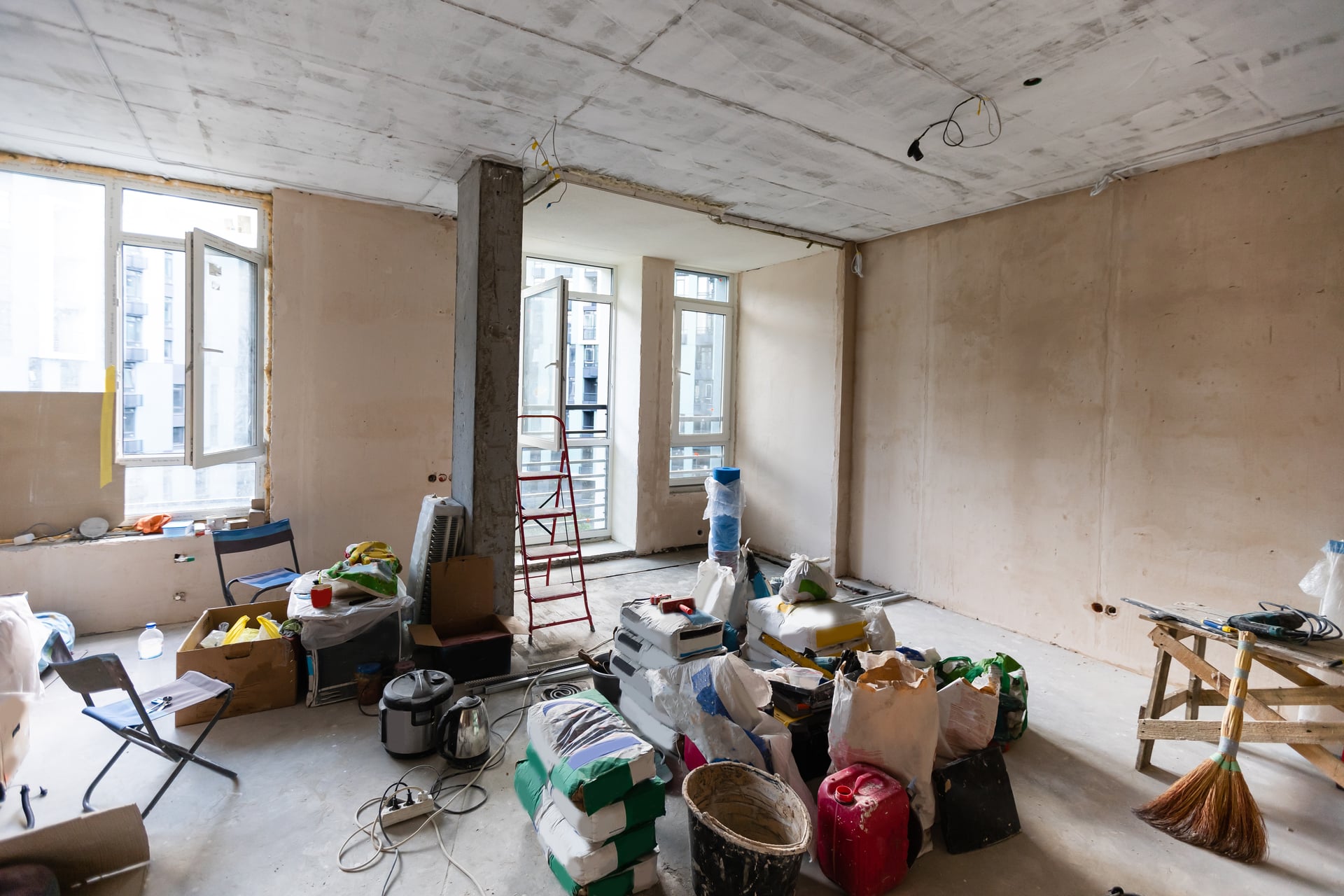
Renovation debris is any waste material generated during a home remodelling, demolition, or construction project. Knowing what falls under this broad category helps with sorting, disposal, and staying compliant with Calgary’s rules.
Common Materials From Home Renovations
Most renovation projects produce a mix of the following:
- Drywall and gypsum board – generated in nearly every interior renovation
- Lumber and dimensional wood – framing scraps, trim, old cabinetry
- Concrete, brick, and tile – heavy and bulky, but often recyclable
- Metal – pipes, fixtures, ductwork, wiring, and hardware
- Flooring materials – carpet, hardwood, laminate, and vinyl
- Roofing shingles – a major volume item in roof replacement projects
- Glass – windows, mirrors, and shower enclosures
- Packaging waste – foam, cardboard, plastic wrap from new materials
Even a modest kitchen refresh can fill a half-tonne bin. Larger gut renovations – where walls come down and floors come up – can easily generate several tonnes of mixed debris.
Hazardous Materials That Need Special Handling
Not everything in an older Calgary home is straightforward to dispose of. Some materials require special handling and cannot be mixed with general construction waste.
- Asbestos – found in older insulation, floor tiles, and textured ceilings in homes built before approximately 1990
- Lead paint – present in many pre-1978 homes
- Treated wood – pressure-treated lumber contains chemical preservatives that disqualify it from standard wood recycling
- Fluorescent light tubes – contain mercury and require separate disposal
- Paints, solvents, and adhesives – classified as household hazardous waste
For businesses, treated wood and fluorescent tubes must be disposed of at Calgary’s Shepard landfill facility, and handling often requires a permit. Residents, on the other hand, can dispose of fluorescent light tubes at household hazardous waste drop-off locations or City Eco Centres, often for free. Attempting to mix these materials with general debris can result in fines and rejected loads.
Why You Can’t Just Ignore the Waste
Safety Hazards on an Unmanaged Site
Renovation debris poses genuine hazards. Loose lumber with exposed nails, broken tile shards, splintered drywall edges, and dust from cut materials all create real risks for workers, contractors, and anyone else on-site. Dust from drywall, concrete, and insulation can compromise indoor air quality and linger long after work wraps up for the day.
Cluttered sites also make it harder to respond quickly if something goes wrong. Emergency access, material deliveries, and basic movement between work zones all suffer when debris builds up without a plan.
How Debris Slows Your Project Down
There’s a less obvious cost too: time. When debris accumulates without a plan, contractors spend more of their day working around it than making progress. Material deliveries get complicated when there’s no clear space to receive them. Subcontractors arrive to a chaotic site and lose productive hours just getting organized. Building debris removal into the project schedule – rather than leaving it as an afterthought – keeps momentum going from demolition through to final walkthrough.
Calgary’s Rules for Renovation Waste
Community Standards Bylaw Obligations
Calgary property owners carry real legal responsibility for renovation waste. The City of Calgary’s Community Standards Bylaw requires that construction sites remain clean, control wind-blown debris, manage dust, and prevent waste from spilling onto adjacent sidewalks, roads, and boulevards. That obligation sits with the property owner – not the contractor.
In practical terms, this means keeping the front of the property clear, securing debris so it doesn’t scatter into neighbouring yards, and not letting piles sit on the boulevard indefinitely. Failing to meet these standards can result in bylaw complaints and fines.
What It Costs to Dump vs. Recycle
Cost is often what finally convinces homeowners to sort their debris properly. The City of Calgary charges $90 per tonne for clean, recyclable loads – specifically untreated dimensional lumber, pallets, and drywall with less than 2% contaminants. That rate more than doubles to $180 per tonne for mixed loads that contain readily recyclable materials combined with general waste.
The math is straightforward: taking an extra 20 minutes to separate clean wood from general debris can cut the disposal bill in half. Sorting at the source saves money and reduces environmental impact.
Where to Actually Dispose of It in Calgary
City Eco Centres
Calgary operates several Eco Centres across the city where residents can drop off oversized items, large volumes of renovation and construction materials, and household hazardous waste. These facilities accept sorted loads and direct materials to the appropriate processing streams. Separating materials before arriving is encouraged – mixing loads can mean higher fees or refusal at the gate.
Local Recycling Facilities
Beyond the Eco Centres, Calgary has dedicated commercial recycling operations equipped to handle construction materials at scale. ECCO Recycling operates one of North America’s largest Materials Recycling Facilities (MRF) for commercial and industrial sources, diverting materials like asphalt shingles – which get recycled back into new asphalt – and wood waste processed into mulch. BluPlanet Recycling is another Calgary-based option, offering sustainable waste removal for renovation and construction projects and diverting concrete, asphalt, wood, drywall, metal, and plastic from landfills. Both are worth contacting before a major project to understand what they accept and at what volumes.
Plan Debris Removal Before Demolition Starts
The most common mistake Calgary homeowners make is treating debris removal as a cleanup task at the end of a renovation. By that point, the waste has already slowed the project, created safety issues, and may have been mixed in ways that increase disposal costs.
Before any demolition begins, it’s worth mapping out the answers to a few key questions:
- What types of materials will this project generate?
- Are there any hazardous materials in the existing structure – asbestos, lead paint, treated wood?
- Where will debris be staged temporarily on the property?
- Which materials can be recycled, and where?
- How often will debris need to be removed to keep the site functional?
Having a debris disposal plan in place before the first swing of the demo hammer keeps the entire project running more smoothly – and keeps the property compliant with Calgary’s bylaw obligations from day one.
Professional Junk Removal Makes the Difference
There’s a point in almost every renovation where the volume of debris exceeds what a homeowner can manage with a truck and a few extra hours on a Saturday. That’s where professional junk removal earns its value – a practical tool for keeping a project on track.
Professional junk removal crews handle the full range of construction waste: asphalt, concrete, scrap wood, metals, wiring, drywall, gypsum board, glass, and more. Trained and experienced crew members sort materials for recycling rather than defaulting to a single landfill drop, which reduces environmental impact and aligns with Calgary’s cost structure that penalizes mixed loads. There’s no need to make multiple trips to different facilities or research which materials go where – a knowledgeable junk removal crew handles the sorting, hauling, and responsible disposal as part of the service.
For homeowners managing tight timelines and limited on-site space, scheduled debris removal throughout the project – rather than one big cleanout at the end – keeps the work site clear, safe, and inspection-ready at every stage.
Junk King Calgary South
+1-587-210-2448
6026 5 St SE
Calgary
Alberta
T2H 1L4
Canada


