Synergy Mechanical Solutions Explains Heat Pump Benefits and Rebates
Middle River, United States – February 27, 2026 / Gauge Digital Media /
Synergy Mechanical Solutions Helps Maryland Homeowners Evaluate Whether a Heat Pump Is the Right Choice
As Maryland homeowners look for ways to improve indoor comfort, reduce energy bills, and modernize HVAC systems, heat pumps have become one of the most widely discussed solutions in the residential market. With rising efficiency standards and fluctuating energy costs, many households are exploring alternatives to traditional furnaces and air conditioners. Synergy Mechanical Solutions is providing guidance to help homeowners determine whether a heat pump is the right fit for their property, budget, and long-term goals.
Although interest in heat pump technology continues to grow, selecting the right system requires understanding how it works, where it performs best, and what installation considerations must be addressed. A thoughtful evaluation ensures homeowners make informed decisions rather than reacting to trends.
How Heat Pumps Operate
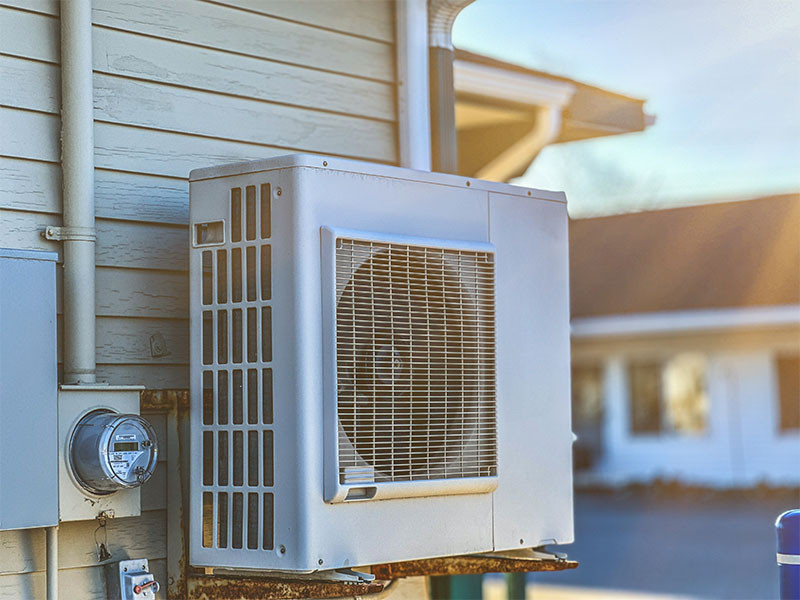
Heat pumps function differently from traditional heating systems because they transfer heat rather than generate it. Instead of burning fuel or relying on electric resistance heating, a heat pump moves existing heat from one location to another.
During colder months, the system extracts heat from outdoor air and transfers it indoors. In warmer weather, the process reverses, removing heat from inside the home and releasing it outdoors to provide cooling. This dual functionality allows a single system to manage both heating and cooling throughout the year.
By minimizing the need for combustion-based heating, heat pumps offer consistent temperature control and simplified system design, resulting in steady indoor comfort without dramatic fluctuations.
Suitability for Maryland’s Climate
Maryland’s climate makes it particularly compatible with modern heat pump technology. Much of the state experiences moderate winter conditions, with temperatures that fluctuate rather than remain consistently below freezing. These conditions allow heat pumps to operate efficiently for most of the heating season with limited reliance on supplemental heat sources.
During summer months, heat pumps also provide steady cooling while managing indoor humidity—an important factor in maintaining comfort during Maryland’s humid conditions.
While climate compatibility is favorable, performance ultimately depends on proper system design, accurate sizing, ductwork condition, insulation quality, and professional installation.
Key Benefits for Maryland Homeowners
Heat pumps offer several advantages that appeal to homeowners focused on efficiency and long-term savings. Because they transfer heat instead of generating it, they typically consume less energy than traditional heating systems. Replacing older furnaces or air conditioners with high-efficiency heat pumps can lead to noticeable reductions in monthly utility costs.
Beyond energy savings, heat pumps provide consistent airflow and even temperature distribution, reducing hot and cold spots throughout the home. Their compatibility with smart thermostats and solar energy systems further enhances flexibility and control.
Environmental considerations also play a role. Heat pumps reduce reliance on fossil fuels, helping homeowners lower their carbon footprint while maintaining year-round comfort.
Potential Drawbacks to Consider
While heat pumps offer numerous benefits, they are not ideal for every property. Homes with insufficient insulation or significant air leakage may not achieve optimal performance without prior upgrades. Electrical panel capacity must also be evaluated to ensure compatibility with the system’s power requirements.
Upfront installation costs can be higher than replacing traditional equipment, particularly if ductwork improvements or electrical upgrades are necessary. Additionally, homeowners accustomed to the high-temperature airflow produced by furnaces may initially notice the more moderate heat output typical of heat pumps.
In regions experiencing prolonged extreme cold, supplemental heating may be required to maintain peak comfort.
Preparing a Home for Heat Pump Installation
Successful heat pump installation begins with comprehensive preparation. Accurate load calculations are essential to ensure the system is properly sized. An undersized system may struggle to maintain temperature, while an oversized unit can short-cycle and reduce efficiency.
Ductwork must be inspected for leaks and balance to maximize performance. For homes without existing ducts, ductless heat pump systems provide an alternative solution. Electrical panel capacity must also be assessed to confirm the home can support the new equipment safely and efficiently.
Addressing these factors collectively ensures optimal performance and long-term reliability.
Incentives and Long-Term Savings
Many homeowners assume heat pump installation is cost-prohibitive, but federal, state, and utility incentives often reduce upfront expenses. Maryland homeowners may qualify for federal energy efficiency tax credits, state-level energy programs, utility rebates, and manufacturer incentives.
When combined, these programs can offset a significant portion of installation costs. Over time, reduced energy consumption leads to lower monthly utility bills, providing additional financial benefit.
Because heat pumps operate on electricity, homeowners may also experience greater cost predictability compared to fossil fuel-based systems, offering improved budgeting stability.
Repair, Replacement, and Upgrade Considerations
For homeowners who already have heat pump systems, routine maintenance and timely repairs are essential to preserving efficiency. Common issues such as refrigerant leaks, airflow restrictions, or sensor malfunctions should be addressed promptly to prevent long-term damage.
In some cases, upgrading to a newer model may provide better efficiency and improved performance, particularly after home renovations or insulation upgrades. Evaluating system age, condition, and performance goals helps determine whether repair or replacement offers the best return on investment.
Expert Guidance from Synergy Mechanical Solutions
Choosing the right HVAC system requires balancing comfort expectations, energy efficiency goals, installation considerations, and long-term financial planning. Synergy Mechanical Solutions specializes in helping Maryland homeowners navigate these decisions with clarity and confidence.
By conducting thorough evaluations and explaining available options transparently, the company ensures each recommendation is tailored to the specific needs of the home. From initial consultation to installation and ongoing service, Synergy Mechanical Solutions provides expertise designed for real-world performance.
Homeowners considering a heat pump or exploring HVAC upgrade options are encouraged to consult with experienced professionals to determine the most effective and efficient path forward.


Contact Information:
Synergy Mechanical Solutions
6618 Blackhead Rd
Middle River, MD 21220
United States
Bryce Link
(410) 948-1850
Original Source: https://synergymechsolutions.com/is-a-heat-pump-right-for-your-maryland-home-pros-cons-incentives/